Speaking at the Oppenheimer Consumer Growth and E-commerce conference this week, Walmart US CEO David Guggina said the retailer's new AI-coordinated distribution centers now unload a full trailer "in minutes" — work that used to take store employees hours. The centers use store-level data to direct robots to build "intelligently layered" pallets, and they can load the most urgent pallets onto the truck last so they come off first at the dock. Guggina said Walmart expects to have 16 of these next-generation distribution centers running by the end of the year, and framed the combination of automation and inventory visibility as a way to run a leaner supply chain, cut costs, and keep funding lower prices.
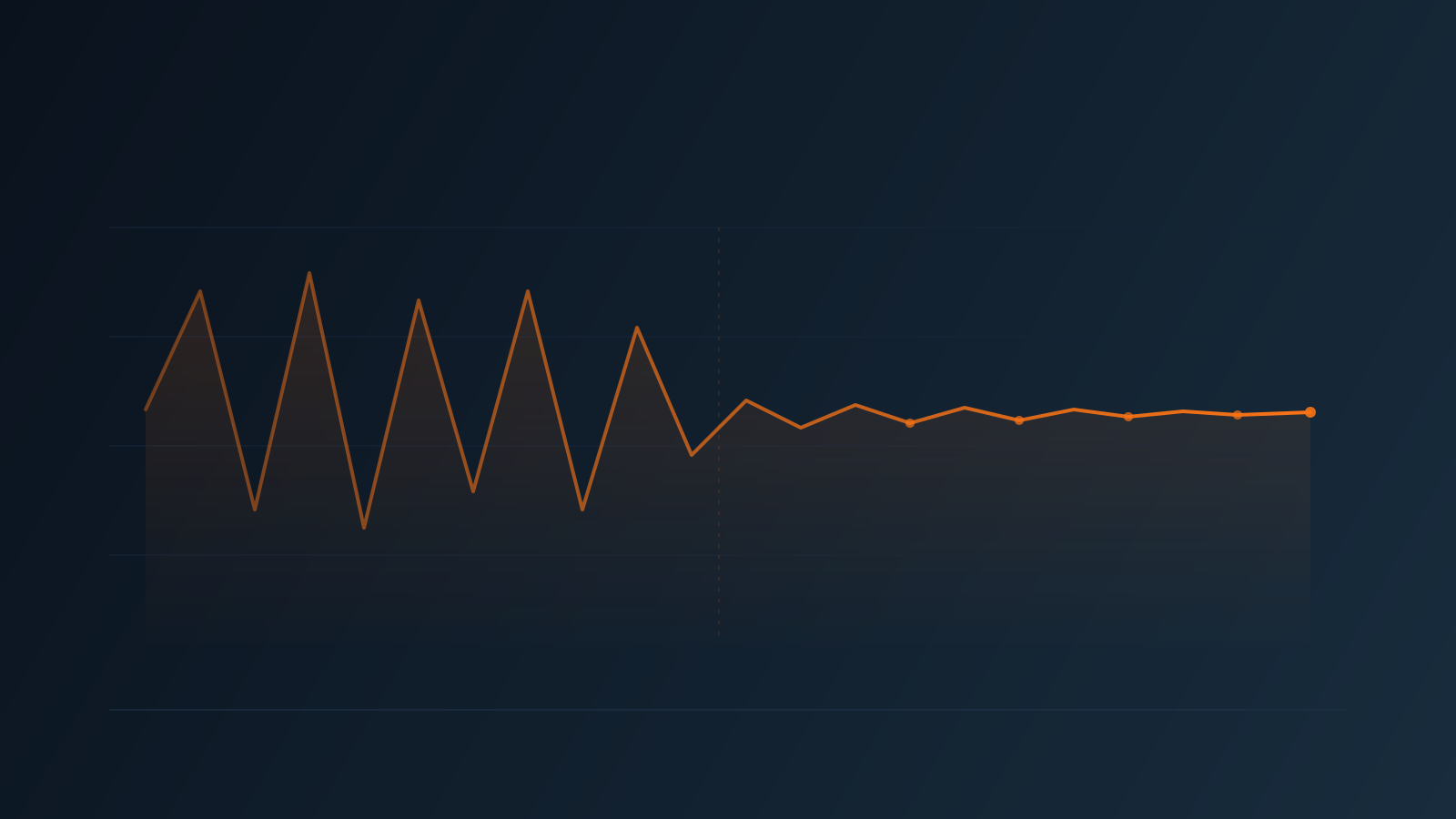
For operators, the headline is the unload time, but the durable part is what produced it. The speed did not come from adding robots; it came from sequencing — pallets assembled in the order the receiving store will actually shelve them, driven by demand signal that already exists in the system of record. That is an orchestration win, and it is the layer worth keeping in-house. The hardware is capital you can buy from anyone; the logic that decides which SKUs are urgent for which store on which day is your data and your rules. The trade-off to watch as fleets like this scale is brittleness: a sequencing engine tuned to one network's store mix is only as good as the demand signal feeding it, and when that signal drifts, "intelligently layered" quietly becomes "confidently wrong." The win is real — just make sure the part that decides the order stays tunable by the people who own the floor.