
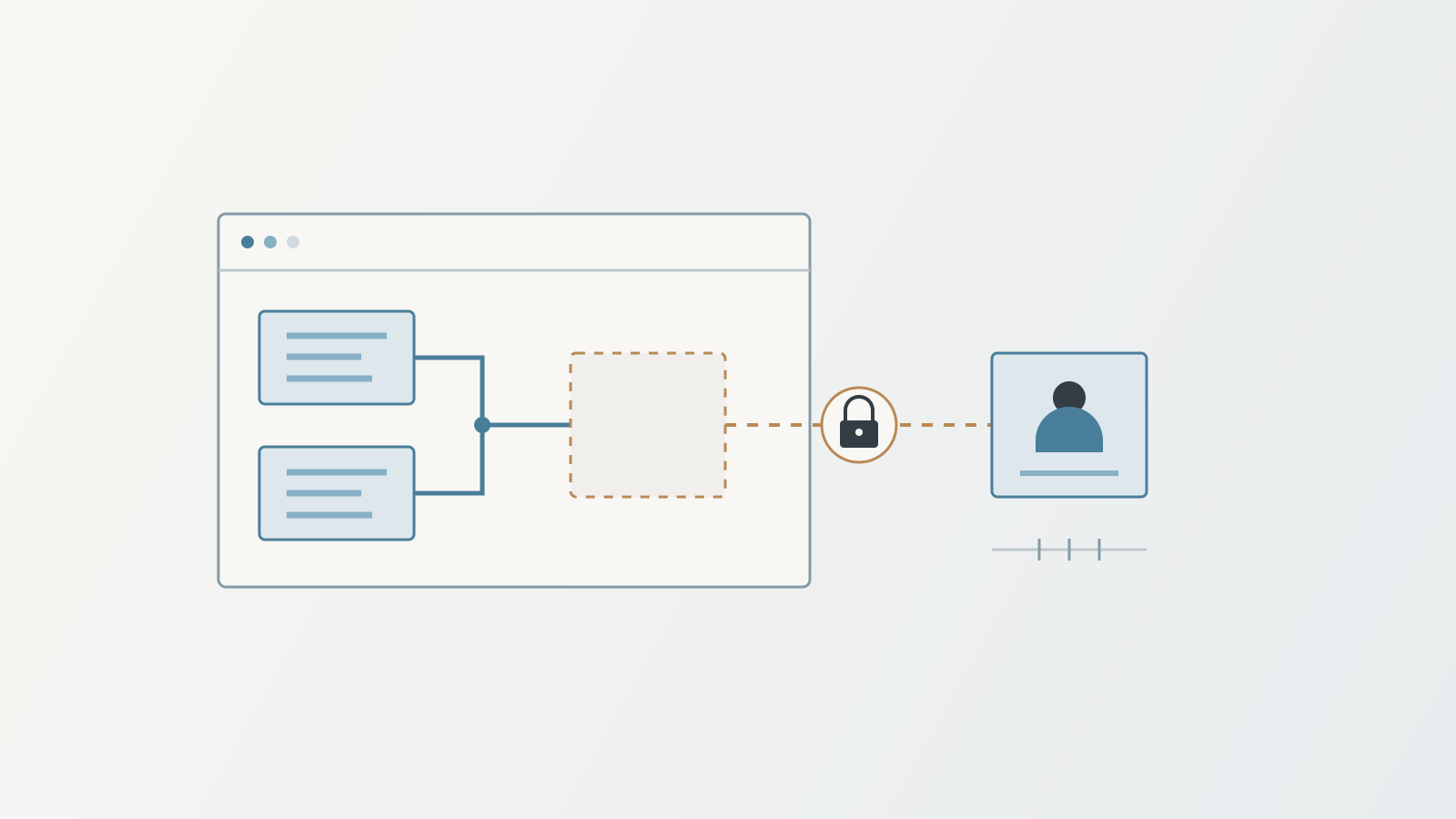
In late September, Gartner predicted that by 2028, 70% of enterprises will abandon agentic AI built by vendor forward-deployed engineering (FDE), trapped by soaring costs and unable to evolve it on their own. Coverage of the release also reports that fewer than 20% of FDE engagements will turn recurring customer needs into core product capabilities. Mukul Saha, Senior Director Analyst at Gartner, said "many providers now use 'forward deployed' as a label for implementation, professional services, solution engineering, or AI consulting," and argued that "FDE success starts with getting the engagement structure right, from scope and incentives to governance, ownership, and exit." Gartner's recommendations include contractual terms for deliverables, knowledge transfer, IP rights and exit responsibilities, embedding vendor engineers with internal teams, and measuring success by whether the enterprise can manage and evolve the solution independently.
This lands in a market where embedded-engineer programs are the headline delivery model for agentic AI, and it is a useful counterweight. For operators, the practical test is ownership: who can change the agent's tools, prompts, and guardrails when your slotting rules or carrier mix change next quarter? If the honest answer is a vendor engineer on a statement of work, you remain exposed to rising vendor costs. Write the exit into the engagement on day one, require runbooks and evaluation sets that stay with you, and keep the tool layer and decision logs inside your perimeter. Gartner is not saying agents do not work. It is saying that agents you cannot evolve become shelfware.